
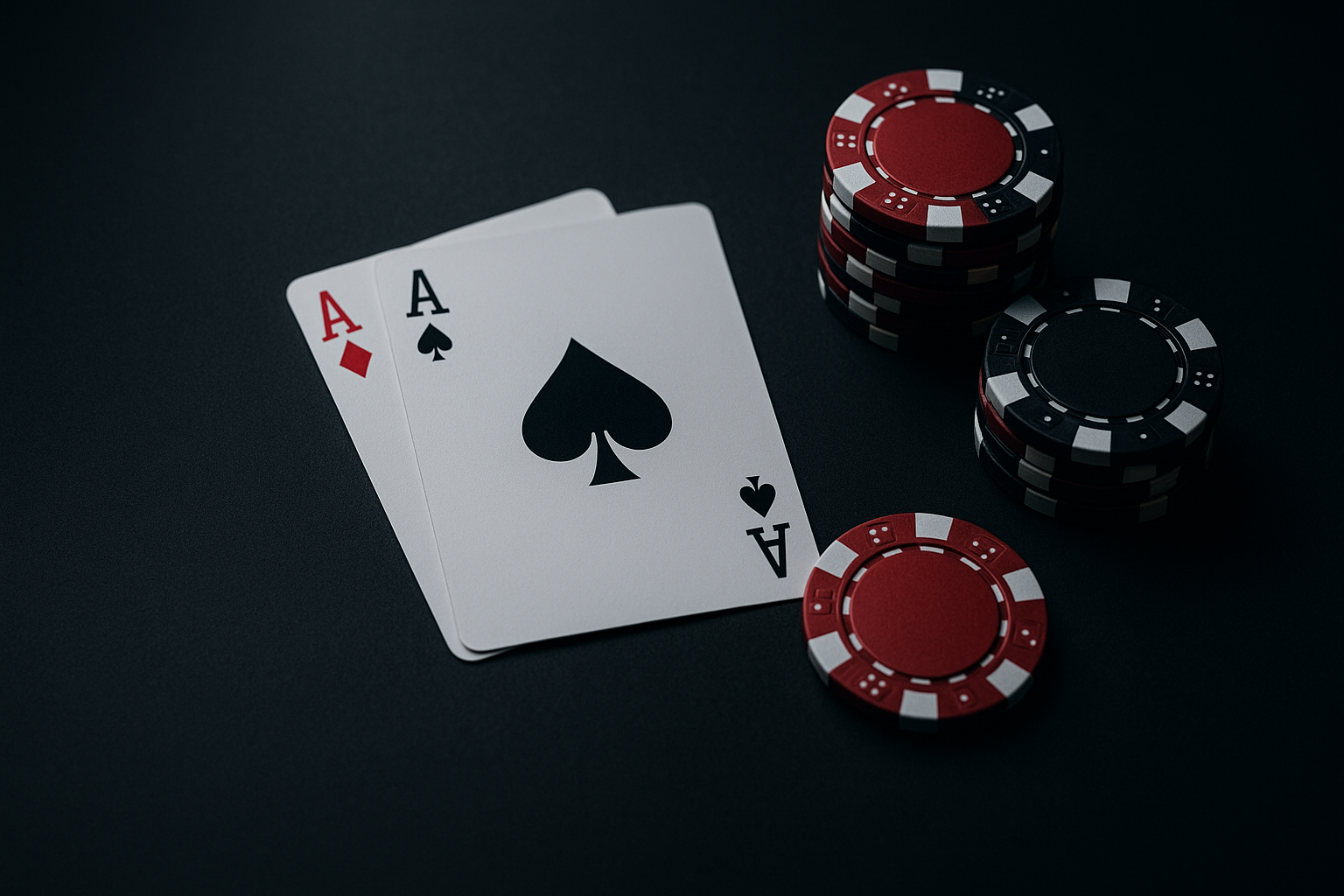
Poker is one of the most popular card games around the world, enjoyed by players in casual home games, prestigious casinos, and online platforms alike. But what exactly is poker? At its core, poker is a game of strategy, skill, and a little bit of luck, where players bet on the strength of their hands—trying to win chips or money from their opponents.
Understanding the Basics: What Is Poker?
Poker is a card game that blends mathematics, psychology, and risk management. It involves one or more rounds of betting and a series of cards dealt to players. The objective? To either have the best hand according to the game’s ranking system or to convince others to fold their hands through strategic betting.
Unlike many other card games that rely mostly on luck, poker players are rewarded for skillful decision-making. Understanding when to bet, fold, or bluff can drastically increase your chances of winning.

The Core Elements of Poker
To fully grasp what poker is, it helps to understand its core components:
- Players: Usually, poker games involve anywhere from 2 to 10 players.
- Cards: Poker is typically played with a standard 52-card deck.
- Betting Rounds: These occur during the game at set intervals, where players can bet chips based on their hand strength or strategy.
- Hand Rankings: Poker hands have a specific hierarchy that determines which hand wins.
How Does a Typical Poker Game Work?
Let’s walk through a simplified example to better understand what poker is in practice.
Imagine you and four friends sit around a table to play Texas Hold’em—the most popular poker variant.
- Each player is dealt two private cards (called “hole cards”).
- A round of betting begins where players can fold, call, or raise.
- Three community cards are dealt face up in the center (the “flop”). Players use them combined with their hole cards to form the best hand.
- Another betting round follows.
- A fourth community card (“the turn”) is dealt, followed by betting.
- The fifth and final community card (“the river”) is dealt, followed by the last betting round.
- Players reveal their hands, and the best hand wins the pot.
Throughout these steps, players decide whether to continue betting or fold based on their confidence in their hand or their strategy.
Common Types of Poker Games
When exploring what poker is, it’s useful to know about different game variations. Each type changes slightly in rules and strategy.
- Texas Hold’em: Players combine two private cards with five community cards to make the best five-card hand.
- Omaha: Each player gets four private cards but must use exactly two of them along with three community cards to make their hand.
- Seven-Card Stud: No community cards here; players receive a mix of face-up and face-down cards, and bet through several rounds.
- Five-Card Draw: The classic poker form where players get five cards and can exchange some to improve their hand.
Why Do People Play Poker?
Understanding what poker is also means appreciating why it’s such a beloved game. Beyond the thrill of competition and the chance to win money, poker offers intellectual challenges that keep players engaged:
- Skill and Strategy: Unlike pure gambling games, poker rewards good decision-making and sharp minds.
- Psychological Edge: Reading opponents, bluffing, and controlling your emotions add layers of depth.
- Social Interaction: Poker fosters connections—whether at home with friends or online communities.
- Variety and Excitement: Different game types and betting structures make every session unique.

Key Poker Concepts Explained
Hand Rankings
One of the first things to master when learning what poker is, is hand rankings. Your poker hand is made up of five cards, and each hand has a rank showing how strong it is compared to others. Here’s a quick look at the rankings, from highest to lowest:
- Royal Flush: A, K, Q, J, 10 all in the same suit.
- Straight Flush: Five consecutive cards of the same suit.
- Four of a Kind: Four cards of the same rank.
- Full House: Three of a kind plus a pair.
- Flush: Five cards of the same suit, not in sequence.
- Straight: Five consecutive cards of mixed suits.
- Three of a Kind: Three cards of the same rank.
- Two Pair: Two separate pairs of cards.
- One Pair: Two cards of the same rank.
- High Card: When no other hand is made, the highest card wins.

Betting Options
During betting rounds, you can:
- Fold: Give up your hand and forfeit the round.
- Check: Pass the betting action to the next player without betting (only if no bet has been placed).
- Call: Match the current highest bet.
- Raise: Increase the current bet.
Making the right choice in each situation is what makes poker exciting and challenging.
Tips for Beginners to Get Started
If you’re wondering how to jump into poker, here are some beginner-friendly tips to help you get comfortable with the game:
- Learn the Rules: Master the basic game rules and hand rankings before playing for real money.
- Start Small: Play free or low-stakes games online or with friends to build confidence.
- Be Patient: Good poker strategy requires patience and observation more than aggressive playing.
- Watch and Learn: Follow poker tournaments or streams to understand different styles and strategies.
- Manage Your Bankroll: Only risk what you can afford to lose; poker is a long game.

Wrapping Up
So, what is poker? It’s much more than just a card game. Poker combines mathematical calculations, psychological tactics, and social interaction to create a compelling battle of wits and nerve. Whether you aim to play casually for fun or seriously for profit, understanding the basics of poker gives you the foundation to enjoy and succeed in this timeless game.
Grab some cards, find some friends or join an online poker room, and see firsthand why poker continues to captivate millions worldwide!