
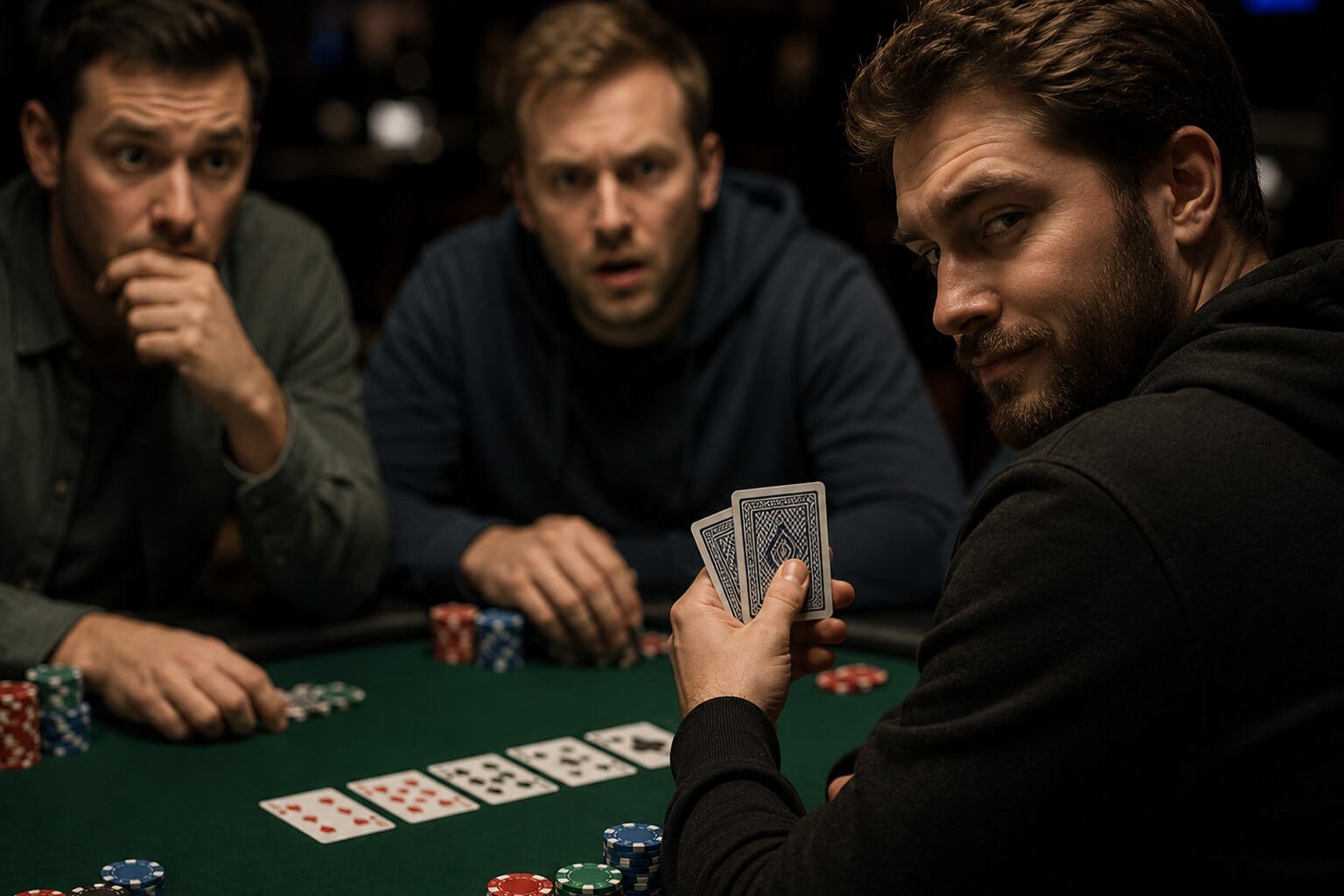
When you sit down at a poker table, you quickly realize it’s not just a game of cards — it’s a game of minds. Players are constantly trying to read each other, guess the strength of hands, and use strategy to win chips. One of the most exciting parts of poker is the ability to make your opponents fold a better hand than yours through a technique called a bluff. If you’re new to poker, the term bluff poker might sound tricky or risky, but understanding it well can really boost your game. In this article, we’ll break down what a bluff is, why players use it, and how you can start bluffing like a pro.
What Is a Bluff in Poker?
In poker, a bluff is a bet or raise made with a weak hand or no strong hand at all, aiming to make your opponents believe you have a better hand than you actually do. The goal is to convince your opponents to fold their cards, allowing you to win the pot without having to show the best hand.
Think of a bluff like a poker “lie” — but a strategic one. You’re trying to create doubt and pressure, rather than just hoping for luck with your cards. Successful bluffing is about acting confident and making your opponents question their decisions.

Why Do Poker Players Bluff?
Bluffing is a crucial part of poker strategy. Here’s why players use bluff poker tactics:
- Win Pots You Otherwise Wouldn’t: If you have a weak hand, bluffing can help you win the pot without having to call the risk of revealing your actual cards.
- Keep Opponents Guessing: If you only play when you have strong hands, savvy opponents will eventually catch on and avoid folding. Bluffing keeps your playstyle unpredictable.
- Control the Table: A well-timed bluff can intimidate opponents and influence how they play in future hands.
- Maximize Profits: In some cases, bluffing can boost the size of the pot when you do have a strong hand later on, as opponents respect your betting range.
Types of Bluffs You Should Know
Not all bluffs are created equal. Here are the main types you’ll encounter:
Pure Bluff
A pure bluff is when you bet or raise with a hand that has almost no chance of winning at showdown. Your only way to win is by convincing others to fold. For example, if you have a high card like 7-4 offsuit, you might bluff to make players with medium-strength hands fold.
Semi-Bluff
A semi-bluff is when you bet or raise with a drawing hand — a hand that isn’t strong yet but could improve to become the best hand with future community cards. For instance, having four cards to a flush on the flop, betting aggressively can force folds now but could also pay off if you hit your flush later.
How to Recognize a Good Bluff Opportunity
Knowing when to bluff is just as important as how to bluff. Here are some key indicators for spotting the right moments:

When the Board is Scary
Boards with potential straights or flushes often make opponents nervous. If you represent one of those hands well, they might fold even if they hold decent cards. For example, if the flop is 10♦-J♦-Q♦ and you bet confidently, your opponents may think you have a flush or straight draw and fold.
When Your Opponents are Weak
If your opponents show hesitation, check frequently, or limp in rather than betting, they might have weak hands that can be forced out with a strong bet.
Position Matters
Bluffing works best when you act after your opponents because you get to see their actions before deciding your bet. Being “in position” means you have more information to make an educated bluff.
Important Bluff Poker Tips for Beginners
Bluffing can be risky, especially if you overdo it or choose the wrong spots. Here are practical tips to keep your bluffs effective and less costly:

Study Your Opponents
Pay attention to your opponents’ playing styles. Tight players, who only play strong hands, may fold more easily to a bluff. Aggressive players might call you down more often, so bluffing them is less profitable.
Be Consistent with Your Story
When bluffing, your bets and behavior should tell a believable story about your hand. For instance, if you suddenly bet big after checking in earlier rounds, opponents may get suspicious. Make your bluff follow the logic of the cards and your actions.
Don’t Bluff Too Much
Bluff sparingly. If you bluff all the time, savvy players will catch on and call your bluffs more often. Balancing bluffs with genuine strong hands maintains your credibility.
Know When to Fold
If your bluff is called and you don’t have a strong hand, be ready to fold. Chasing a bluff too long can lead to big losses.
Practical Examples of Bluff Poker in Action
Here are a couple of simple scenarios to illustrate bluffing:
Example 1: Semi-Bluff on the Flop
You’re playing Texas Hold’em and the flop comes 8♠-9♠-J♦. You hold 10♠-7♠, which is a draw to a straight (you need a Queen to complete it) and also a flush draw. You bet aggressively even though you haven’t made your hand yet. Because you could improve, this semi-bluff pressures opponents to fold strong but vulnerable hands, like a pair of 9s.
Example 2: Pure Bluff on the River
After several rounds of betting, the river card doesn’t improve your hand, and you’re left with just Ace-high. However, the board shows several cards that could have helped a straight or flush. You make a large bet representing a strong hand like a full house or flush. Opponents with only a medium pair might fold to your aggressive story, letting you take down the pot.
Common Mistakes to Avoid When Bluffing
Even experienced players mess up bluffs sometimes. Watch out for these pitfalls:
- Bluffing When Opponents Have Strong Hands: Don’t try to bluff against players who show aggression and confidence, as they may call or raise instead of folding.
- Bluffing Too Often: This destroys your table image and makes future bluffs easy to spot.
- Ignoring Your Table Image: If you’ve been caught bluffing a few times already, your bluffs may lose value because players will pay you off.
- Betting the Wrong Amount: Betting too small can invite calls, while betting insanely large can look suspicious. Finding the right size keeps your bluff balanced.
Wrapping Up: Bluff Poker Is a Skill You Can Learn
Bluffing is one of the things that makes poker both challenging and thrilling. It’s not about lying for the sake of it — it’s about telling a convincing story with your bets and reading your opponents’ reactions. Like any skill, bluff poker takes practice, patience, and attention to detail.
Start small by spotting easy bluff spots and learn from your wins and losses. As you get more comfortable, you’ll see how bluffing helps you control the game, keep opponents guessing, and ultimately win more pots. Remember: the best bluffs are not just about boldness but about strategy and timing. So next time you’re dealt a less-than-stellar hand, think about how a well-timed bluff could flip the situation in your favor.