
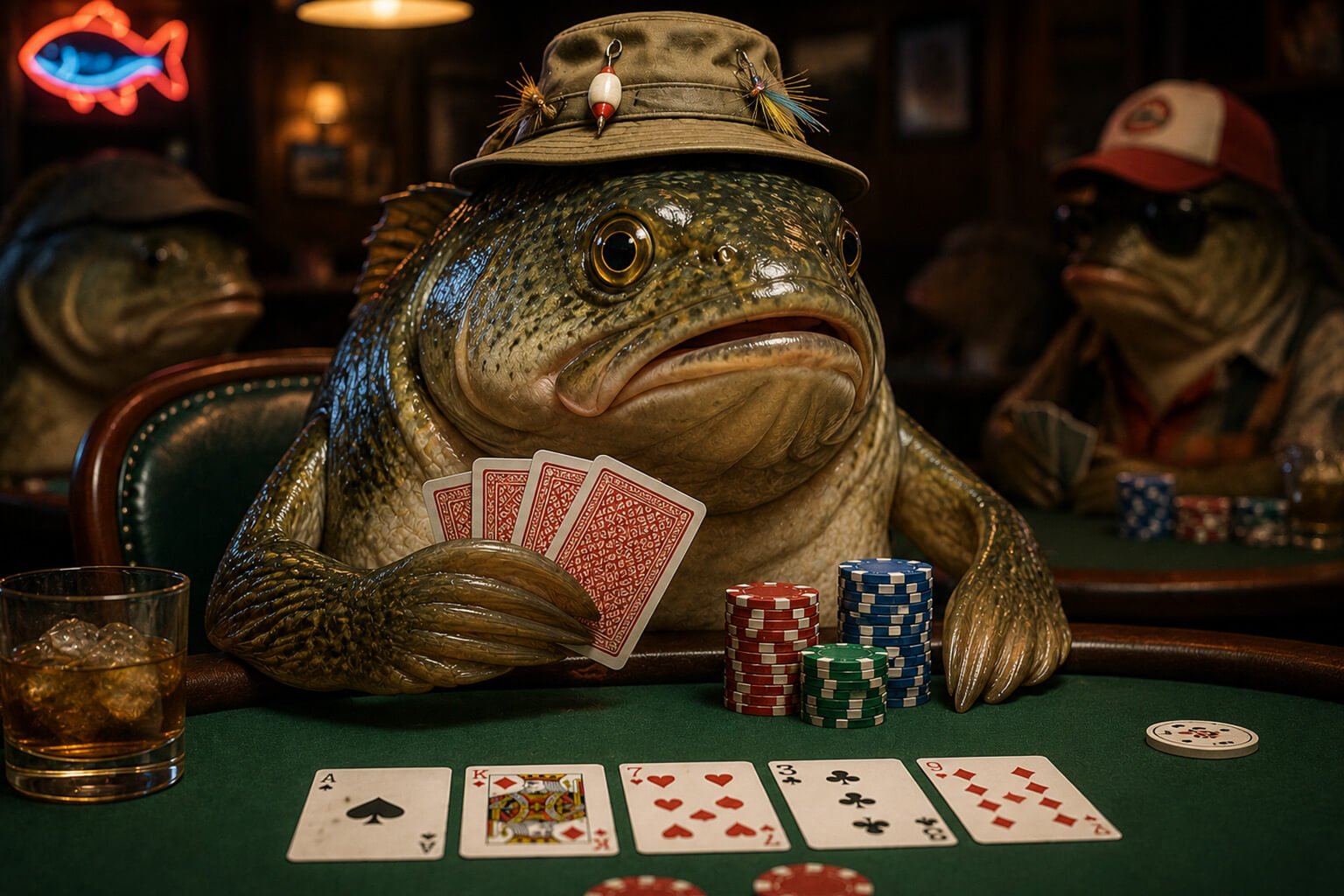
If you’ve ever watched a game of poker, either online or in a casino, you might have heard the term “fish” tossed around. It’s a common poker slang word, but what exactly does “fish” mean in poker? And why is it important to recognize fish both at your table and in your poker journey? This article will break down the concept of fish in poker, helping you understand the fish poker meaning, how to spot these players, and why identifying fish can improve your game dramatically.
What Does “Fish” Mean in Poker?
In poker, a “fish” refers to a player who is relatively inexperienced or unskilled. These players tend to make mistakes, play too many hands, or call bets when they shouldn’t, often losing money as a result. The fish is often the player many experienced players target because they are more predictable and tend to make costly errors.
Imagine you’re fishing—you want to catch the easy ones who aren’t cautious. Similarly, in poker, “fish” are seen as easy prey. They don’t adapt well to strategies, get caught bluffing more often, and contribute to the pot more frequently, providing opportunities for other players to win big.

Characteristics of a Fish in Poker
Recognizing a fish quickly can give you an advantage at the table. Here are some typical traits of fish players:
- Loose Play Style: Fish tend to play too many hands, regardless of how good their cards are, often chasing bad draws.
- Poor Position Awareness: They don’t consider positional factors, entering pots from early positions with weak hands.
- Call Stations: Fish are often called “calling stations” because they call bets rather than raising or folding appropriately.
- Overvaluing Hands: They frequently overestimate the strength of their hands, sometimes going all-in with weak pairs or mediocre high cards.
- Easily Bluffed: While they overplay some hands, fish can also be scared off by aggressive betting, folding too often when they should call.
Why Is Understanding Fish Important?
Knowing the fish poker meaning and how to spot fish helps you adjust your strategy to maximize winnings. Fish are important because:
- They Make the Game Profitable: Playing against fish increases your chances of profiting since they lose money more often.
- Adjusting Your Play: You can tighten up your range against better opponents but loosen up when facing fish, exploiting their mistakes.
- Table Dynamics: Players who don’t identify fish might get frustrated or make poor decisions trying to bluff or outsmart the fish unnecessarily.
- Building Bankroll: Consistently winning against fish players is a reliable way to grow your bankroll over time.
How to Spot a Fish at the Poker Table (Practical Tips)
Here’s how you can recognize a fish quickly, whether you’re playing live or online:
- Loose Pre-Flop Calls: If a player is calling from early positions with weak hands like 7-4 offsuit or K-10, that’s a red flag.
- Chasing Draws Unnecessarily: Fish love chasing flush and straight draws even when the pot odds don’t justify it.
- Calling Large Bets With Weak Hands: They rarely fold, even when facing big raises.
- Rarely Raises or Bluffs: You’ll notice the player mostly checking and calling rather than making aggressive moves.
- Showing Weak Cards at Showdown: If they often reveal bad hands or low pairs that lose, it confirms their fish tendencies.

Examples of Fish Poker Behavior
Let’s say you’re playing a $1/$2 cash game. You notice a player who calls every bet pre-flop with any two cards, then often calls down bets on the river with just middle pair or less. This player rarely raises but calls bets up to the river even when it’s clear they have a weak hand. This is classic fish behavior. You can adjust by playing a tighter range and value betting more heavily when you have strong hands, knowing this player will call with worse.
Another example is an online player who frequently limps in from early position with garbage hands and doesn’t fold to aggressive raises. Winning pots against them becomes much easier because they fail to fold at key moments.

🐟 Are You the Fish… or the Fisher?
The FISH tee from REBUYGEAR is the perfect poker conversation starter. Wear it because you’re the fun-loving player at the table—or because you’re the one hunting the fish and stacking their chips. Either way, it’s guaranteed to get a smile. Discover this design and hundreds of other unique poker-themed styles on T-shirts, hoodies, and more.
How to Play Against Fish
Once you’ve identified a fish, your strategy should focus on extracting value rather than bluffing or overcomplicating plays. Here are some tips:
- Play Strong Hands Aggressively: Bet and raise your good hands to build the pot, as fish tend to call too often.
- Avoid Bluffing Too Much: Bluffing is less effective on fish since they call more often. Save your bluffs for better opponents.
- Use Bigger Bet Sizes: Because fish call lighter, increase your bet sizes to maximize value.
- Be Patient: Fish will often put themselves in difficult spots, so wait for the right moments to capitalize.
- Focus on Position: Having the button or being in late position lets you control the pot size and make better decisions against fish.
Fish in Online Poker vs. Live Poker
Fish exist in every poker format, but some nuances differ between online and live play:
- Online Fish: In online poker, fish often play super loose and fast because of the anonymous environment. Multi-tabling means they sometimes miss subtle reads or patterns.
- Live Fish: Live fish are usually recreational players or beginners. They may be more cautious due to nerves but still make many fundamental errors.
- Bluffing Opportunities: Bluffs are generally less profitable against both types of fish, but online fish might call more because of the fast pace.
- Reads: In live poker, you can often spot fish by their physical tells or betting patterns, while online you focus more on statistics and betting history.
Misconceptions About Fish
Some players think “fish” is just a rude term for bad players, but it’s actually a useful label to describe a specific style of play. Being called a fish once doesn’t mean you’ll always be one—it’s more about tendencies in a game. Many professional players were once fish themselves, and improving your poker skills means avoiding fish mistakes.
Additionally, not every loose player is a fish. Some can be aggressive and skilled, using a loose-aggressive style to keep their opponents guessing. The real fish are the ones who don’t adjust or understand the game well.
How to Stop Being a Fish
If you recognize yourself as a fish player, don’t worry—every poker pro started somewhere! Here are some tips to improve and avoid fish traps:
- Learn Starting Hand Selection: Stick to playing hands with higher value initially and fold weak cards pre-flop.
- Study Position: Play tighter in early positions and loosen up in late positions.
- Understand Pot Odds and Betting Sizes: Learn when it’s profitable to call or fold based on odds and bet sizes.
- Practice Bankroll Management: Avoid going broke by playing limits you can afford.
- Review Your Hands: Analyze past sessions or use software to identify mistakes and learn better strategies.
- Watch Tutorials and Join Communities: Engage with other poker players and learn from their experiences and advice.
Final Thoughts
Understanding the fish poker meaning and spotting fish at the table can make a big difference in your poker success. Fish provide valuable opportunities because they often lose money due to basic mistakes. By playing smart, adjusting your strategy, and focusing on value betting rather than bluffing, you can take advantage of fish and improve your overall game.
Remember, poker is a game of skill, patience, and strategy. Learning from the fish in the game can help you move from being a beginner to a more consistent, profitable player. So next time you sit at the table, keep an eye out for those fish—they might just be your ticket to bigger pots and better wins.