
Poker is a game of strategy, skill, and sometimes, sheer luck. While many players focus on building strong hands like flushes and full houses, understanding the basics—such as what a “high card” means—can be a crucial stepping stone in your poker journey. High card poker is a fundamental concept that every player should grasp, especially if you’re new to the game or want to improve your hand-reading abilities.

What Does High Card Mean in Poker?
In the simplest terms, a “high card” refers to the highest ranking card in a player’s hand when no other hand combinations are made. Poker hands are ranked from highest to lowest, starting with royal flush down to a simple high card. If you and your opponent both have hands that don’t fit into any specific categories like pairs, straights, or flushes, then whoever has the highest card wins the pot.
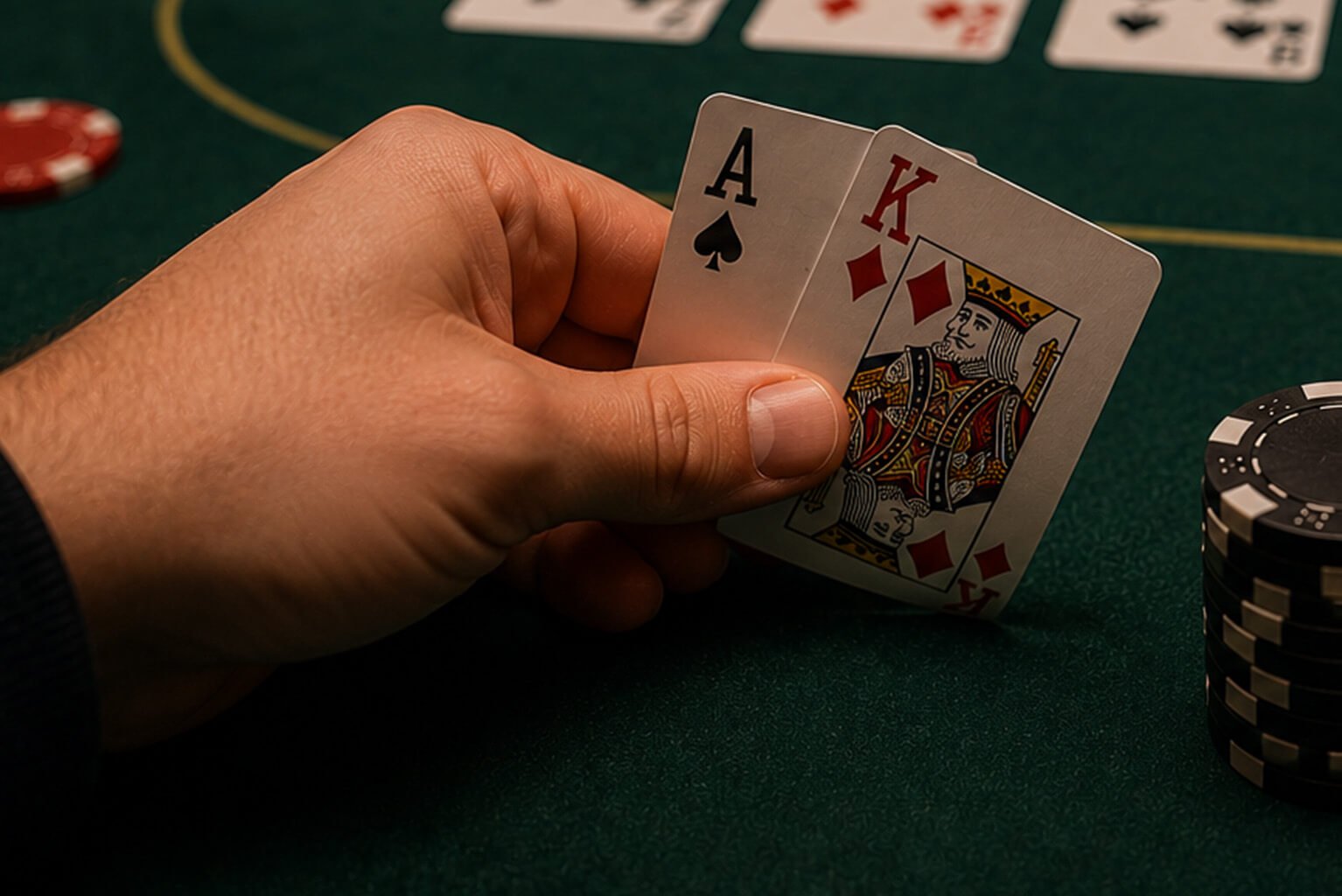
For example, if your opponent and you both don’t have any pairs or better combinations, but your highest card is an Ace and theirs is a King, you win with the high card Ace.
Why Is High Card Important?
Even though high card poker hands are generally the weakest, they play a vital role in determining the winner when no other hands qualify. They can often act as tiebreakers and can make the difference between winning or losing a hand in games like Texas Hold’em, Omaha, Seven Card Stud, and many other popular variants.
It’s also important to note that hands in poker are always ranked based on the best five-card combination, so sometimes a “high card” can become a significant factor when the community cards don’t improve your hand.
Poker Hand Rankings Refresher: Where Does High Card Fit?
To clearly understand the role of high card, it helps to look at the poker hand hierarchy:
- Royal Flush: A, K, Q, J, 10 of the same suit
- Straight Flush: Five consecutive cards of the same suit
- Four of a Kind: Four cards of the same rank
- Full House: Three of a kind plus a pair
- Flush: Five cards of the same suit, not consecutive
- Straight: Five consecutive cards of different suits
- Three of a Kind: Three cards of the same rank
- Two Pair: Two separate pairs
- One Pair: One pair of cards
- High Card: When you hold none of the above, your highest card determines your hand’s strength
High card hands are the last and lowest option on the scale, but they are still an official winning hand in many games.
Read also. What beats what in Poker
How to Recognize a High Card Hand
Let’s say you’re playing Texas Hold’em and your hole cards are:
- 7 of clubs (7♣)
- 9 of hearts (9♥)
The community cards dealt face-up are:
- 2 of diamonds (2♦)
- 5 of spades (5♠)
- King of hearts (K♥)
- 3 of clubs (3♣)
- 8 of diamonds (8♦)
In this example, you don’t have any pairs, straights, or flushes. Your best five-card hand is based on your highest card, which is the King on the board. Therefore, this hand would be classified as a high card hand with King as the highest card.
Breaking Ties with High Cards
When two or more players have high card hands, the winner is determined by comparing the highest cards in each hand. If both players have the same high card, then the next highest card is compared, and so on until a winner is found.
For instance, imagine Player A and Player B both fail to make any pair or better hands. Player A’s highest card is a Queen, and Player B’s is a Jack. Player A wins because Queen beats Jack.
If both players have the same highest card, say both have an Ace, you then look at the second highest card (known as the kicker). If Player A’s second highest card is a 10 and Player B’s is an 8, Player A wins again.

Why Understanding High Card Hands Matters for Beginners
When you’re starting out, one common mistake is folding too early or playing weak hands incorrectly. Knowing when a high card can actually win a hand — especially in tight games or when the community cards don’t help anyone form a pair or better — is a useful skill.
Additionally, understanding high card poker helps you recognize betting patterns from opponents. If someone consistently bets aggressively despite showing weak hands, they might be bluffing or playing high cards aggressively.
Practical Tips for Playing High Card Hands
- Don’t overvalue high card hands: Remember, these are weak hands and should be played cautiously. Try to fold often if the betting gets heavy and you don’t improve your hand.
- Use position to your advantage: Playing high cards from later positions allows you to see how other players act before you decide to bet or fold.
- Consider the community cards carefully: When you don’t have pairs or better, assess if the board helps anyone else; slow play might save you chips.
- Don’t bluff too much with just high cards: If you’re trying to represent a stronger hand, know when to back off if opponents are showing strength.
Conclusion
High card poker may seem straightforward or even unimportant at first glance, but it is a foundational element that influences many aspects of the game. Understanding how to identify and use high card hands effectively can increase your strategic options and deepen your understanding of poker hand rankings.
By grasping when your high card might actually be good enough to win, and by learning how to compare high cards against your opponents, you’ll be better prepared at the poker table, especially in games where action can be unpredictable and many players miss even basic hand building.
Practice recognizing high card situations, study how to use your position wisely, and always remember the importance of context when betting or folding. These habits will help you become a more confident and skilled poker player over time.

Editorial Note
Poker.kim uses artificial intelligence to assist with some content, including illustrations and draft text. Every article is reviewed, edited, and approved by our editorial team before publication.
If you spot an error or outdated information, we’d appreciate hearing from you so we can improve our content.