
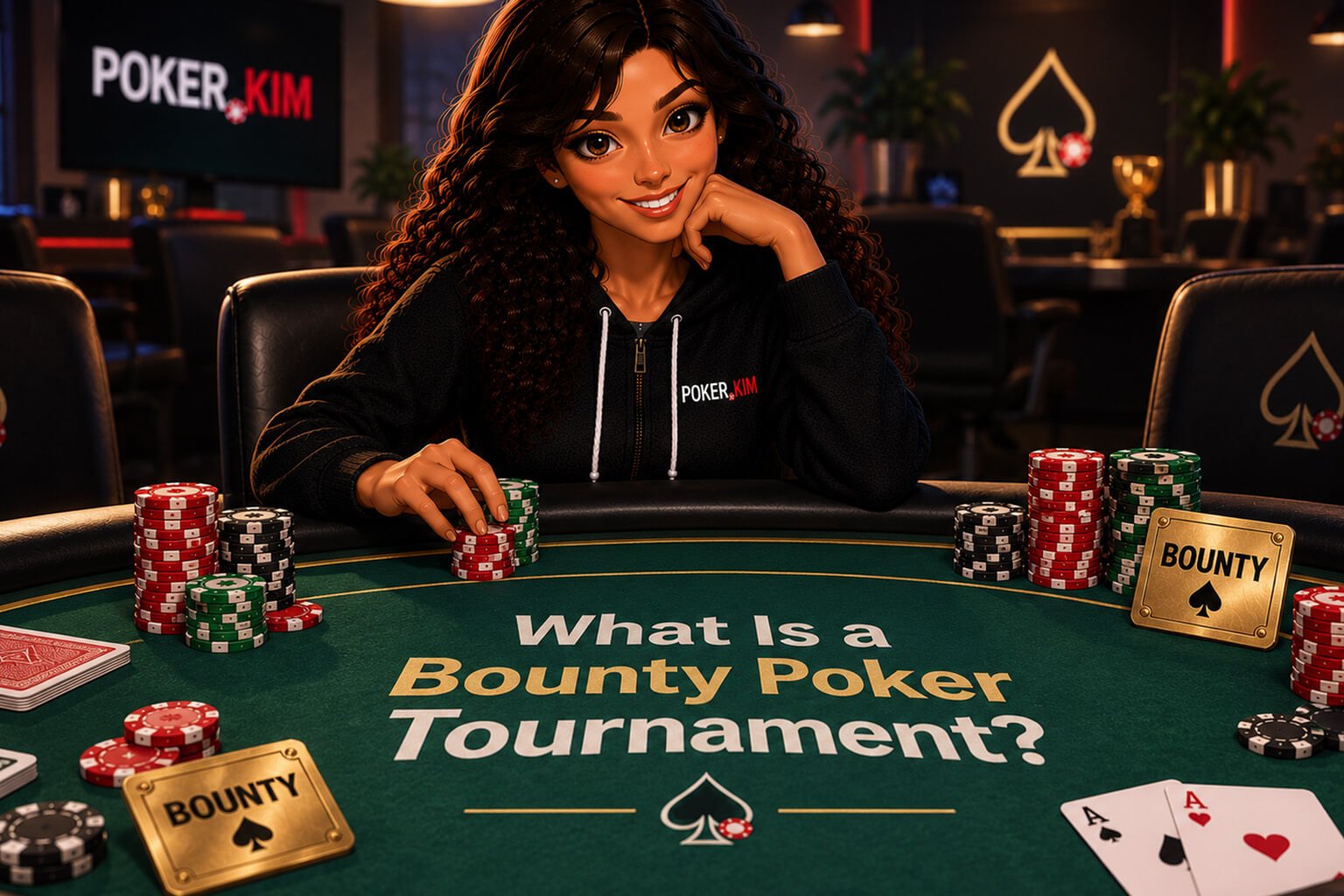
If you’re new to the world of poker tournaments, you might have heard about something called a bounty poker tournament. This exciting format adds a thrilling twist to the traditional poker game, offering players not just prize money for winning chips, but also additional rewards for knocking opponents out of the game. In this guide, we’ll break down everything you need to know about bounty poker tournaments—from the basic rules to practical strategies that can boost your chances of walking away with extra cash in your pocket.
What Is a Bounty Poker Tournament?
A bounty poker tournament is a type of poker event where each player has a set bounty on their head. This bounty acts like a mini prize that’s awarded to anyone who successfully eliminates that player from the tournament. In other words, you earn a bonus whenever you knock someone out.
Unlike regular tournaments where your sole goal is to amass chips and climb the payout ladder, bounty poker tournaments provide additional incentives throughout the event. This can make the gameplay much more aggressive and dynamic, since players might take bigger risks to collect those lucrative bounties.

How Bounty Poker Tournaments Work
At the start of a bounty poker tournament, every player’s bounty is the same value—usually a portion of their buy-in. For example, if the buy-in is $50, the tournament organizer might allocate $20 of that to each player’s bounty, with the remaining $30 contributing to the prize pool.
When you eliminate a player, you immediately receive their bounty. This payout could come in cash or tournament chips, depending on the event structure. Then the eliminated player is out of the game, and the tournament continues until one player wins all the chips and the main prize.
The Different Types of Bounty Tournaments
- Standard Bounty: The most straightforward format where you collect a fixed amount for every player you knock out.
- Progressive Knockout (PKO): This is a popular variant where each player starts with a bounty, but when you knock them out, you collect only part of their bounty in cash right away. The rest is added to your own bounty, increasing your value and making you a bigger target.
- Mixed Formats: Some tournaments combine standard and progressive bounty elements or add special prizes for eliminating specific players.
Why Play a Bounty Poker Tournament?
Bounty tournaments are a favorite among poker fans for several reasons:
- Extra Earnings: Beyond the main prize, you can earn small cash prizes throughout the event by knocking out opponents.
- Increased Action: The added bounty incentive tends to make players more aggressive, which leads to more hands and dynamic gameplay.
- Accessible Strategy: Because you get rewarded for busting players, you can sometimes make calculated moves that wouldn’t be optimal in a regular tournament but pay off in bounty events.
How to Calculate Bounties and Prize Pools
Understanding how the buy-in is split is crucial to grasp how bounty tournaments work. Let’s use an example:
Imagine a $100 bounty tournament with 50 players. Typically, the buy-in might break down like this:
- $70 goes to the main prize pool.
- $25 is allocated as bounties ($0.50 per player’s bounty value × 50 players = $25).
- $5 is the fee for the house or organizer.
So, every player initially has a $25 bounty on their head. When you knock someone out, you earn $25 (or a portion of it depending on the structure), and the main prize pool is contested as usual.

Understanding Progressive Knockout Tournaments
Progressive Knockouts (PKO) have surged in popularity because of their unique bounty system. Here’s how they differ from standard bounties:
- Each player starts with an assigned bounty—say $30 out of their buy-in.
- When you bust a player, you get half of their bounty in real cash immediately.
- The other half of their bounty is added to your personal bounty, increasing its value for opponents.
For example, suppose you eliminate a player with a $30 bounty. You get $15 in cash immediately, and your own bounty increases by $15. This makes you a more tempting target moving forward and adds a fascinating strategic layer to the tournament.
Basic Strategies for Bounty Poker Tournaments
While the overall goal in any tournament is to win chips and survive, bounty tournaments add some nuances. Here are some beginner-friendly tips that can help you navigate these events:
1. Play More Aggressively Early On
Since you receive bounties for knocking out players, it’s often correct to play more aggressively in earlier rounds. Taking risks to eliminate opponents can quickly boost your bankroll and chip stack.
2. Mind Your Chip Stack
Your bounty increases your risk profile. With a large bounty, many opponents will try to knock you out to claim that prize. So, while it’s good to chase bounties, you need to protect yourself too.
3. Target Short Stacks
Players with fewer chips are easier to knock out and earn you bounties more reliably. Focus on putting pressure on short stacks rather than taking unnecessary risks against big stacks early in the game.
4. Avoid Traps
In bounty tournaments, some players might overplay to try to earn your bounty. Look for signs of desperation or bluffing and fold when necessary to avoid costly traps.
Example Hand: How a Bounty Influences Decisions
Imagine you’re playing a bounty tournament, and you’re dealt A♠ K♠ in late position. The player in the cutoff has a lot of chips and a big bounty. Several players have folded, and it’s your turn to act.
In a regular tournament, you might hesitate to raise because the big stack could call or re-raise aggressively. But in a bounty tournament, you can weigh the potential bounty reward against the risk. If you think you have a good chance of eliminating this player, pushing all-in or making a big raise can be a smart move. Even if your hand is slightly weaker than usual, the extra money from their bounty might justify the risk.
This example shows why bounty tournaments often lead to more exciting and aggressive playstyles.
Things to Watch Out For
Bounty poker tournaments are fun but come with some pitfalls. Here are common mistakes to avoid:
- Chasing Every Bounty: Don’t get greedy by trying to bust every player if it means risking your tournament life unnecessarily.
- Ignoring Stack Sizes: Always consider your chip count and how much risk you can afford before chasing a bounty.
- Overestimating Hand Strength: Premium hands can lose just like anything else. Make decisions based on context and not just the lure of a bounty.
Where to Play Bounty Poker Tournaments
Bounty tournaments are widely available at both online and brick-and-mortar poker rooms. Popular online poker sites often host daily bounty events, and platforms like PokerStars, partypoker, and 888poker have special PKO series regularly.
If you prefer live poker, many casinos offer bounty tournaments—especially during big poker festivals. These events can be a great way to meet players and enjoy a lively atmosphere fueled by bounty excitement.
Try out our FREE poker odds calculator
Final Thoughts
Bounty poker tournaments are an excellent way for players of all skill levels to experience poker with an extra layer of excitement and reward. The combination of tournament strategy and bounty hunting creates action-packed gameplay that keeps things interesting from start to finish.
If you’re just starting out, try playing smaller buy-in bounty tournaments to get used to the dynamics. As you gain experience, you’ll develop your style and learn when to go after bounties and when to fold. Remember, the balance between aggression and caution is key to success.
So next time you sit down at the table, consider trying a bounty poker tournament. You might just find that chasing those bounties adds an exhilarating twist that makes every hand unforgettable!
Editorial Note
Poker.kim uses artificial intelligence to assist with some content, including illustrations and draft text. Every article is reviewed, edited, and approved by our editorial team before publication.
If you spot an error or outdated information, we’d appreciate hearing from you so we can improve our content.