
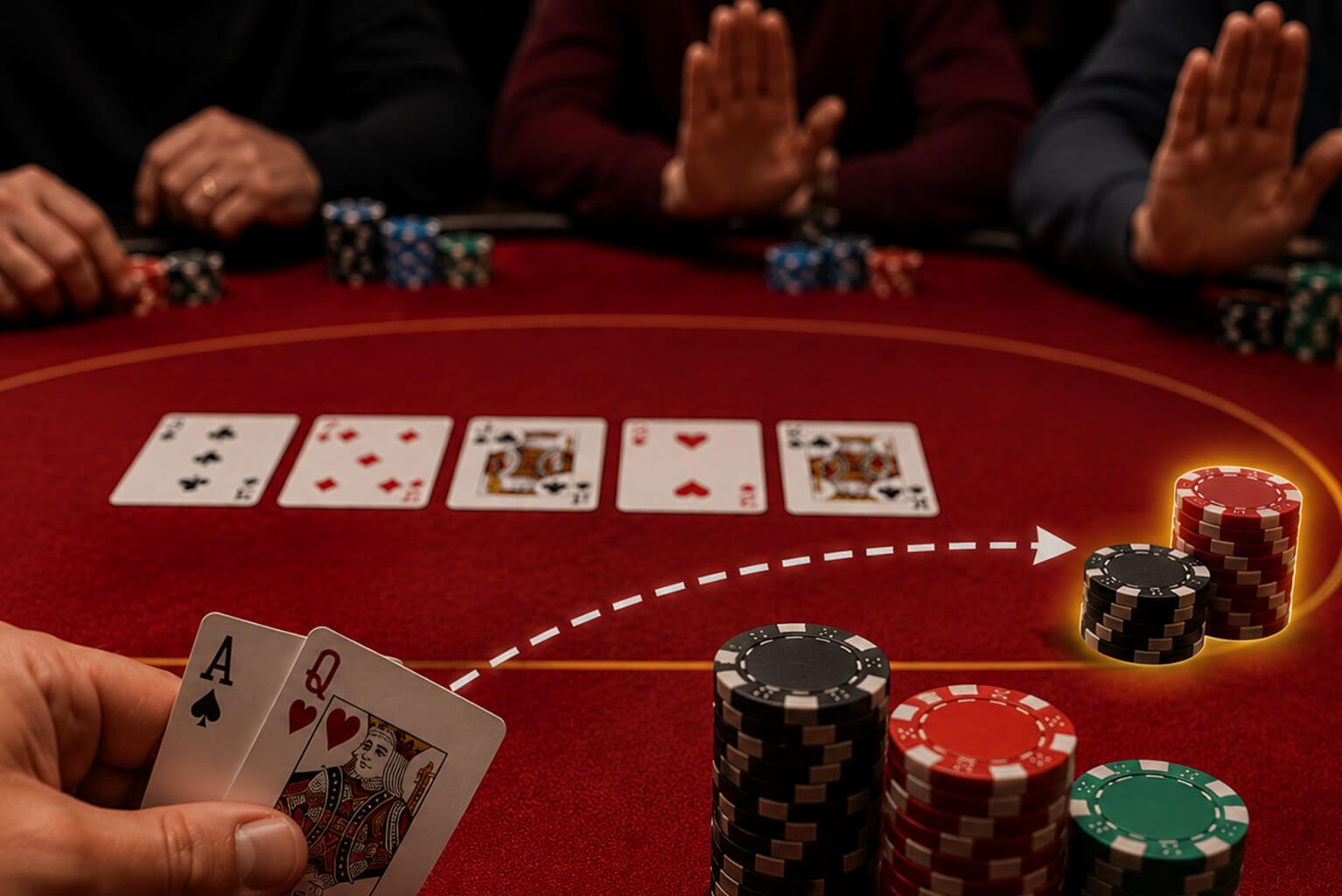
When you’re playing poker, one of the most important concepts to understand is fold equity. It’s a term that might sound intimidating at first, but once you get the hang of it, fold equity can drastically improve your game. Simply put, fold equity is the additional chance you have of winning a pot by making your opponent fold. This goes beyond just having the best cards; it’s about using your bet or raise to push your opponent out of the hand, even if you might not have the strongest hand yourself.
What Exactly Is Fold Equity?
In poker, fold equity is the potential value you gain from the possibility of your opponents folding when you bet or raise. Imagine you’re holding a hand that’s decent but not necessarily the best. By betting or raising, you force your opponents into a tough spot. If they decide to fold, you win the pot right then and there without having to show your cards or go to a showdown.
This makes fold equity a powerful tool. Instead of waiting to get lucky with the best hand, you create an opportunity to win based on the fear or uncertainty you create in your opponent’s mind.

How Does Fold Equity Work in Practice?
Let’s break it down with an example that’s easy to follow:
- You’re in a game of Texas Hold’em and you’re in late position. You hold 10♥ 9♥, and the flop comes 7♠ 8♦ K♣. This flop gives you a straight draw, but you don’t yet have the best hand.
- The player before you checks, and you consider betting. Here’s where fold equity comes into play.
- If you bet, there’s a chance your opponent believes you have a strong hand and will fold. Maybe they have a King with a weak kicker or even no pair at all.
- If they fold, you win the pot immediately. If they call or raise, you still have a decent chance to hit your straight on the next card.
By betting, you create fold equity. Your bet isn’t just about the cards you hold—it’s about convincing your opponent to make the tough decision to fold. This adds a layer of strategic depth to poker that makes it much more than just a game of luck.
Calculating Fold Equity
While poker isn’t a math test, understanding the rough idea of how to calculate fold equity can help you make smarter decisions.
Fold equity can be thought of as the probability that your opponent will fold to your bet or raise, multiplied by the amount you stand to win if they do. It’s often combined with your chance of winning if they call, to figure out whether a bluff or semi-bluff is profitable.
The formula many players consider is:
Expected Value (EV) of a bet = (Fold Equity × Pot Size) + (Call Equity × Equity When Called) – Cost of Bet
- Fold Equity: The likelihood your opponent folds.
- Pot Size: How much money is in the pot before your bet.
- Call Equity: The chance you win if your opponent calls your bet.
- Equity When Called: Your win probability at showdown after your opponent calls.
- Cost of Bet: How much you bet to create pressure.

What this means is that even if your hand isn’t currently the best, if you have a good chance of making your opponent fold, a bet can be profitable. On the other hand, if your opponent never folds, you need to rely on the strength of your hand to win.
Fold Equity vs. Pot Equity
Fold equity is often confused with pot equity, so it’s worth clarifying the difference.
- Pot Equity: This is your share of the pot based purely on the strength of your hand compared to your opponent’s. For example, if you have a flush draw, you might have about a 35% chance of winning by the river, which means your pot equity is 35% of the total pot.
- Fold Equity: This is the chance you win immediately by forcing your opponent to fold. It’s a psychological advantage, not just mathematical.
Good poker players combine both types of equity. They know when to rely on their hand (pot equity) and when to use their betting to push opponents away from the pot (fold equity).
When to Focus on Fold Equity
Not every hand or situation calls for maximizing fold equity. Knowing when to use it is key to improving your game.

Bluffing and Semi-Bluffing
If you have a weak hand or a draw with potential, betting to create fold equity is a core poker strategy.
- Pure Bluff: You bet with little or no chance of winning if called, relying entirely on fold equity.
- Semi-Bluff: You bet with a drawing hand that might improve later. You can win immediately if your opponent folds, or hit your draw if they call.
Read also Semi Bluff explained
Stealing Pots
In tournament poker, especially in late stages, fold equity helps you steal the blinds and antes. When you’re in a late position and the pot is small, a well-timed raise can earn you chips without a showdown.
Protecting Your Hand
If you have a strong but vulnerable hand, such as top pair with a medium kicker, betting to encourage folds prevents opponents from seeing cheap cards that might beat you.
Identifying Fold Equity Opportunities
To maximize fold equity, you need to get inside the minds of your opponents. Here are some things to look for:
- Playing Styles: Tight players fold more often to aggression, increasing your fold equity. Loose players call more frequently, so your fold equity is lower.
- Stack Sizes: Big stacks tend to call more as they can afford to risk chips. Small stacks are more likely to fold to pressure.
- Position: Acting last gives you more information, making it easier to calculate fold equity.
- Table Dynamics: If the table is passive and players rarely raise, your bets might scare them off more easily.
A Practical Example of Fold Equity in Action
Picture this: You’re playing no-limit Texas Hold’em in a friendly home game. You’re on the button with A♠ 7♠, and the pot is $30. Everyone has folded to you, and you decide to raise to $15. Here’s what could happen:
- The big blind folds 80% of the time. This means 80% fold equity.
- If they fold, you win $30 right away without risking more chips.
- If they call, you could still have a chance to win with the best hand or outplay them post-flop.
In this case, your fold equity combined with the potential post-flop advantage makes raising the correct play, even if your hand isn’t premium.
How to Improve Your Fold Equity Skills
Developing fold equity insight takes practice and some poker knowledge. Here’s how to get better:
- Observe Opponents: Pay attention to how often they fold to bets and raises.
- Adjust Bet Sizes: Bigger bets often generate more fold equity but cost more chips if called. Smaller bets generate less fold equity but are cheaper.
- Practice Position Awareness: Use your position to apply pressure and maximize fold equity.
- Mix Up Your Play: If you never bluff or steal pots, opponents will catch on. Alternating between value bets and bluffs increases your fold equity over time.
Common Misconceptions About Fold Equity
Some players think fold equity means you should bluff all the time or that betting is purely about making opponents fold. That’s not true. Here are a few common myths:
- Myth: Fold equity depends only on your opponent’s personality.
Reality: While playing style plays a part, the situation, bet size, stack sizes, and game flow all impact fold equity. - Myth: You should bluff whenever there’s fold equity.
Reality: Bluffing without a backup plan (like a drawing hand) can be costly in the long run. - Myth: Fold equity always guarantees a profit.
Reality: Fold equity is part of the equation but not the whole story. Proper bet sizing and understanding opponent tendencies are also crucial.
Conclusion
Fold equity is a cornerstone of poker strategy that can give you an edge over your opponents. By understanding and using fold equity properly, you can win pots even with less-than-premium hands, control the pace of the game, and protect your chips. Remember, poker is not just about the cards you hold but also about how you play them. Fold equity lets you bring the pressure, make smart bets, and keep your opponents guessing. Whether you’re a beginner or an experienced player, mastering fold equity will help you become a more aggressive and successful poker player.
Editorial Note
Poker.kim uses artificial intelligence to assist with some content, including illustrations and draft text. Every article is reviewed, edited, and approved by our editorial team before publication.
If you spot an error or outdated information, we’d appreciate hearing from you so we can improve our content.