
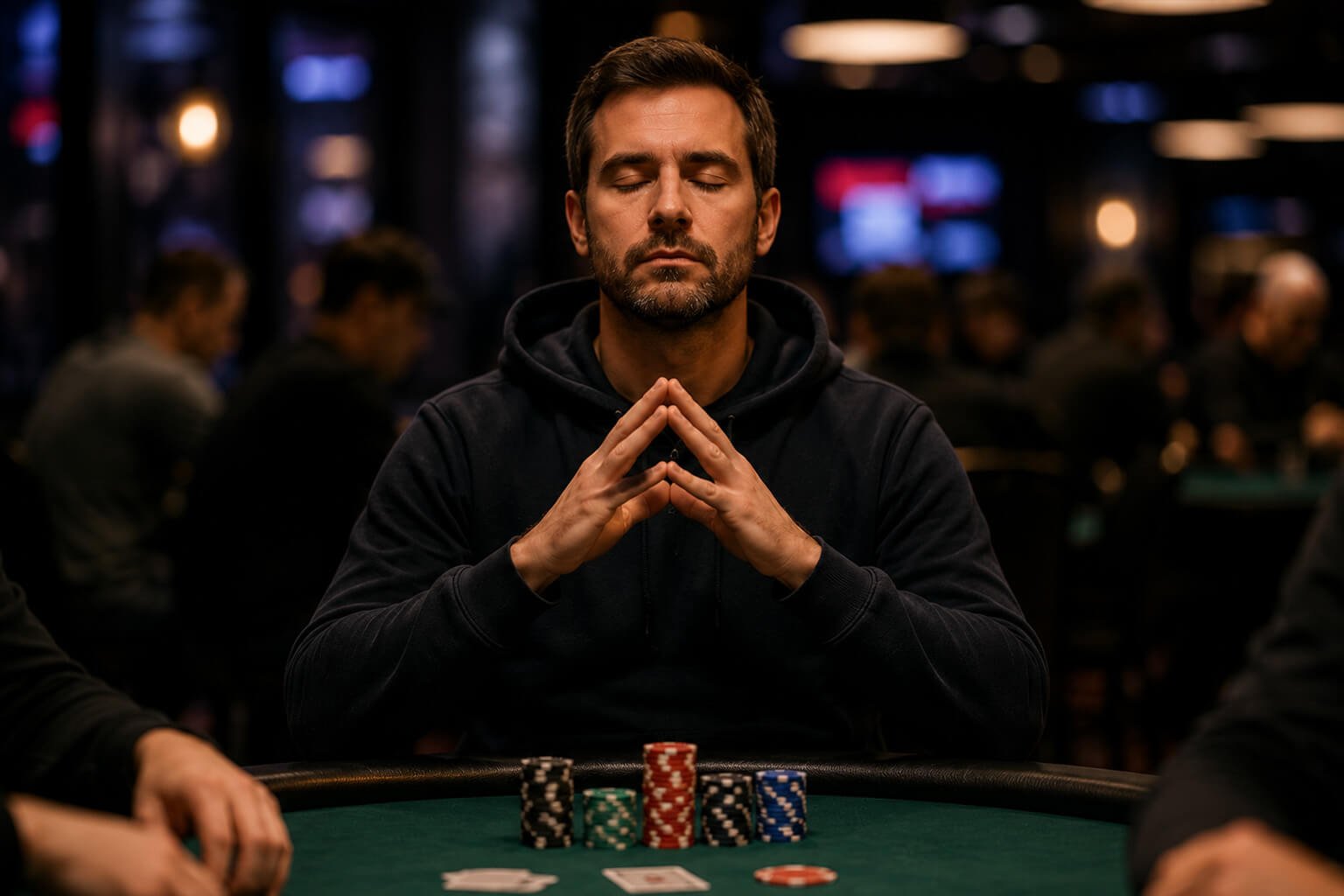
If you’ve played poker for any length of time, you’ve likely experienced the dreaded feeling of tilt. Tilt is when emotions take control, leading to poor decisions and ultimately losing money. Almost every poker player faces tilt at some point, but the key is learning how to stop tilt poker before it ruins your session. In this article, we’ll break down what tilt really is, why it happens, and practical, easy-to-apply strategies to help you keep a clear head at the tables.

What Is Tilt in Poker?
Tilt is a poker term used to describe a state of emotional frustration or agitation that negatively affects your decision-making. When you go on tilt, you might play too aggressively, chase bad bets, or ignore basic strategy because your emotions are clouding your judgment.
For example, imagine losing a big pot due to a bad beat—a situation where you were the favorite but the cards didn’t fall your way. Instead of staying calm and focusing on your next hand, you start making reckless bets, hoping to “win it back.” This is classic tilt behavior.
Read also: What is Tilt in Poker?
Why Do Players Go on Tilt?
The reasons behind tilt are often psychological and sometimes physical. Here are a few common triggers:
- Bad beats: Losing with a strong hand can frustrate players and make them play emotionally.
- Fatigue: Playing tired slows your thinking and increases irritability.
- Distractions: Being distracted by outside issues makes it harder to focus on the game.
- Overconfidence: Winning streaks can make some players reckless, leading to loss and subsequent tilt.
How to Stop Tilt Poker: Practical Strategies
1. Recognize When You’re Tilted
The first step to combatting tilt is being self-aware. Ask yourself:
- Am I angry or frustrated about a hand?
- Am I making decisions based on emotion rather than logic?
- Do I feel impatient or reckless?
If the answer is yes, it’s time to take action.

2. Take a Break
One of the simplest yet most effective ways to stop tilt poker is to step away for a few minutes. This gives your brain a chance to reset and cool down. Even a five-minute walk, some deep breaths, or a quick snack can help clear your mind.
3. Focus on the Long-Term Game
Poker is a game of skill over time. One bad beat or losing session doesn’t define you as a player. Remind yourself that variance is part of the game. If you focus on making good decisions consistently, the results will follow.
Example: Imagine you’ve just lost a big pot to a lucky river card. Instead of chasing revenge bets, concentrate on playing your best hand in the next few rounds. This mindset prevents emotional reactions.
4. Use Deep Breathing and Mindfulness
Emotional control in poker can be improved with simple breathing exercises. When you feel frustration building, try inhaling slowly for four seconds, hold for four, and exhale for four. This calms your nervous system and helps you regain focus.
Mindfulness meditation is another tool to practice outside the game, training your brain to stay present and not get caught up in negative thoughts.

👉 He Is On Tilt
Perfect for poker nights and guaranteed to get a laugh. The “He Is On Tilt” hoodie features a pointing hand aimed to the right, making it a hilarious inside joke at the poker table—or anywhere you’re standing next to a friend. Poker players will instantly recognize the reference to someone who’s lost their cool, while everyone else will simply enjoy the playful design. It’s the perfect mix of poker humor and everyday fun, only from REBUYGEAR.
5. Set Session Goals and Limits
Having clear goals can keep you accountable and focused. For example, you might decide to play 2 hours or 100 hands per session, or set a loss limit you won’t exceed. When emotions start to rise, remind yourself of these limits and stick to them.
By having predetermined stopping points, you prevent frustration from eating away at your gameplay.
6. Keep a Tilt Journal
After each poker session, write down moments when you felt yourself tilting. Note what caused it, how you reacted, and what you could do differently next time. This reflection helps you spot patterns and develop personalized strategies to stop tilt poker before it escalates.
7. Maintain Physical Health
Tilt is often worse when you’re tired, hungry, or dehydrated. Prioritize good sleep, eat balanced meals before playing, and stay hydrated. When your body feels good, your mind is sharper and less likely to spiral into tilt.

8. Avoid Playing Under Stress
If you’re dealing with stress from work, relationships, or other life areas, it’s better to take a break from poker. Playing with a heavy emotional burden makes tilt almost inevitable.
9. Practice Proper Bankroll Management
One common reason players tilt is fear of losing money they can’t afford. Playing within your bankroll means losses don’t feel devastating, reducing emotional impact. Stick to stakes where your bankroll is healthy and you can play relaxed and confidently.
10. Use Positive Self-Talk
Replace thoughts like “I’m so unlucky” or “I always lose” with constructive ones such as “I played well and will have more chances” or “I’m learning every hand.” Positive self-talk prevents the downward spiral of negativity that fuels tilt.
Real-Life Example: How a Player Stopped Tilt
Meet Sarah, a beginner poker player who often went on tilt after losing big pots. She decided to try some of the strategies above:
- Whenever she felt frustrated, she took a deep breath and paused the game.
- She set a rule to stop playing after 90 minutes or if she lost 10% of her bankroll.
- After each session, Sarah wrote a short note about any tilt moments.
- She made sure to eat and hydrate before playing.
- When she had a bad beat, she reminded herself of the long-term nature of poker.
Over a few weeks, Sarah noticed she was tilting much less and making smarter decisions. Her results improved as she maintained emotional control.
Conclusion
While tilt is a natural part of poker, learning to recognize it and take effective steps to stop tilt poker can drastically improve your game and enjoyment. Use these beginner-friendly strategies—taking breaks, mindfulness, bankroll management, and focusing on the long-term—to keep emotions in check and your decision-making sharp. Remember, poker is a marathon, not a sprint, and a calm mind wins more pots than a fiery one.
Editorial Note
Poker.kim uses artificial intelligence to assist with some content, including illustrations and draft text. Every article is reviewed, edited, and approved by our editorial team before publication.
If you spot an error or outdated information, we’d appreciate hearing from you so we can improve our content.